Books by Eric Douglas

Thriller fiction and Non-fiction

  • Home
  • Mike Scott Thrillers
    • Explosion: Down Below
    • Held Hostage: Search for the Juncal
    • Water Crisis: Day Zero
    • Turks and Chaos: Hostile Waters
    • The 3rd Key: Sharks in the Water
    • Oil and Water: Crash in Curacao
    • Return to Cayman: Paradise Held Hostage
    • Heart of the Maya: Murder for the Gods
    • Wreck of the Huron: Cuban Secrets
    • Guardians’ Keep: Mystery below the Adriatic
    • Flooding Hollywood: Fanatics at the Dam
    • Cayman Cowboys: Reefs Under Pressure
  • Withrow Key
    • Lyin’ Fish
    • Tales from Withrow Key
  • Agent AJ West
  • About the Author
    • Publicity and Interviews
  • Nonfiction
    • For Cheap Lobster
    • Heart Survivor: Recovery After Heart Surgery
    • Oral History
      • Batter Up!
      • Memories of the Valley
      • WV Voices of War / Common Valor
      • Capturing Memories: How to Record Oral Histories
    • Dive-abled: The Leo Morales Story
    • Keep on, Keepin’ On: A Breast Cancer Story
    • WV Voices of War / Common Valor
    • Russia: The New Age
    • Scuba Diving Safety
  • Free Short Fiction
  • Other Fiction
    • Sea Turtle Rescue and Other Stories
    • River Town
You are here: Home / Diving / Sea life

Sea life

July 16, 2010 By Eric Douglas

Finally made it in the water yesterday. Like I’ve said before I talk about diving more than I actually dive, but occasionally I do get to blow bubbles.
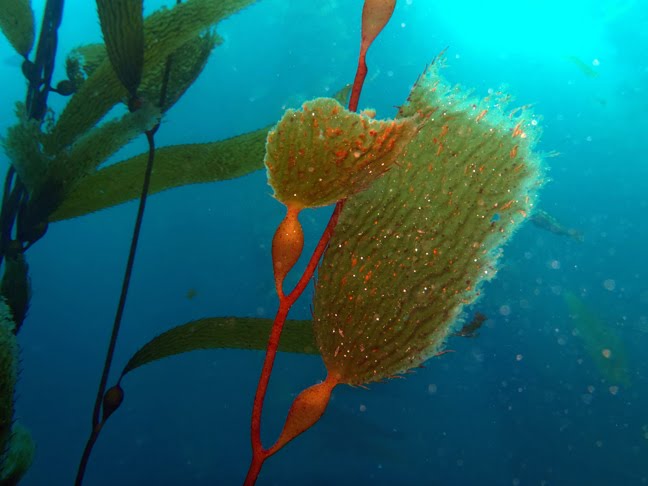
We were diving with one of the harvesting divers from Isla Natividad to see how he dived and better understand his working conditions. They dive using a hookah system: a hose connecting a compressor on the boat to a regulator the diver wears. They don’t bother to wear fins. Instead, they wear double the weights a diver interested in swimming would wear and don work boots to literally run on the ocean bottom searching for their catch. Each dive they focus on one particular item. They collect sea cucumbers or snails or red algae, depending on the season. This time, the diver was demonstrating how he finds and collects snails.

To watch the diver do his job was very much like trying to chase a rabbit through a thicket, he moved so fast and so randomly. But it was very eye-opening to see how he worked. We were only diving in about 30 feet of water but normally, they dive much deeper and the work of breathing at those deeper depths is dramatically increased. I was breathing hard swimming around trying to keep up with him. I can only imagine what it would have been like at his normal depth.
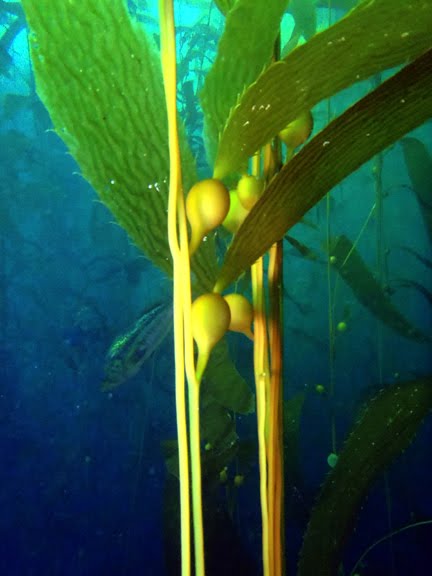
While I love the ocean, I think I find man’s interaction with it the most fascinating. For me, diving and travel and exploration isn’t just about seeing things (although I do get to see some really cool things from time to time), but it’s about understanding that interaction. People who make their living directly from the ocean, working on it or in it, see the ocean differently than those of us who simply visit it from time to time. The only way to understand that is to work directly with them.

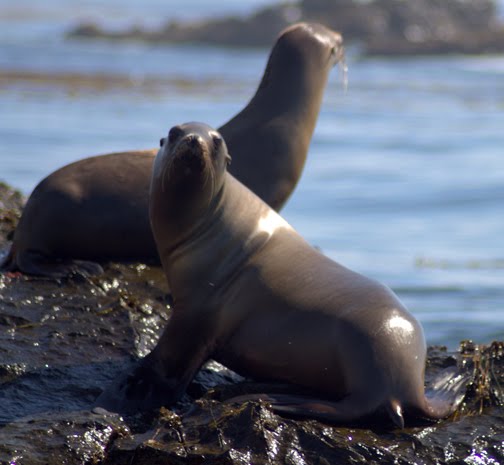
After making two dives, where I got to do very little sight-seeing other than chasing the diver, the boat man wanted to take us on around the island and show off his home. On the back side of the island is a sea lion colony. You could hear the dogs barking a long way off and smell them from almost as far. The closer we got, the louder they barked and the bulls moved back and forth protectively. It was fun to get up close to them, though, on the boat and watch them sun themselves or jump off the rocks into the ocean. They look like big brown Labrador retrievers.
After that, it was back to work. Matias and I put on about three hours of presentations for the local divers, mostly just answering their questions. And that is where the connection in a place like this happens. We stopped being tourists watching and started connecting with the divers as equals, helping them out and understanding what they do, how they live and what they think. Afterward, we were talking that you can’t understand people by standing on the outside. Travel is great, but getting to know people and become friends is the real purpose behind the adventure..

Filed Under: Diving, Documentary, Photography, Travel

Now Available!

Photojournalist Mike Scott is about to get married to the woman he loves — archeologist Frankie DeMarco – but her kidnapping sets Mike on a collision course with the treasure hunter who took her. The man wants Frankie’s help finding a 400-year-old shipwreck so Mike sets out to find it first to get her back […]

View Book

Spooky Flash Fiction For Advent 2025

December 18, 2025 By Eric Douglas

In the 1963 Andy Williams song, “It’s the Most Wonderful Time of the Year,” there is a line that says “There’ll be scary ghost stories, And tales of the glories of Christmases long, long ago.”

Take a flight in a biplane!

https://youtu.be/WN8BrcSNel0
https://youtu.be/lFWWbTXrTJQ?si=SJAadKSt9ZLCbOvX

How I got into diving!

https://youtu.be/gKhw-4tORAM

Heart Blog

Heart Survivor Book Proceeds to Heart Walk

Charleston author Eric Douglas will donate proceeds from his book Heart Survivor: Recovery After Heart Surgery to the 2017 Charleston Heart Walk. Douglas wrote the book to detail his recovery from open-heart surgery and his return to fitness to inspire others facing the same diagnosis. In January 2016, Douglas visited his doctor to rule out the […]

More Posts from this Category

Heart Blog
  • Heart Survivor Book Proceeds to Heart Walk
    Charleston author Eric Douglas will donate proceeds from his book Heart Survivor: Recovery After Heart Surgery to the 2017 Charleston Heart Walk. Douglas wrote the book to detail his recovery from open-heart surgery and his return to fitness to inspire others ...
  • Introduction to the book Heart Survivor
    The following is most of Chapter 2 from the book Heart Survivor. I thought it was important to help my readers understand that I should have recognized the signs and symptoms of impending heart issues, but even with that experience, ...
Read more

Return to Cayman book trailer

Sunlight Prints

Cyanotype printing, also known as Sunlight Prints, is an antique photo printing technique, first used around 1842. Cyanotypes are made by mixing two chemicals (ammonium iron citrate and potassium ferricyanide) and treating paper, cloth or canvas, making it sensitive to ultraviolet light. The sun turns the chemical blue while whatever is shaded stays white. One of the earliest uses for cyanotype was for naturalists to capture images of plants. The same process is used to create “blue prints” of … Read more

The Buzz

You want to explore the ocean, alongside Mike Scott! -- Rosemary E Lunn Diving Journalist and Scuba Industry Fixer
Land Sharks cover
  • Facebook
  • Instagram
  • LinkedIn
  • Substack
  • Threads
  • YouTube

Privacy Policy


NO AI POLICY: Eric Douglas/BooksbyEric does not use artificial intelligence tools to generate, draft, edit, or automate our core work—including writing, artwork or photography. Everything we produce is created by humans.

Copyright © 2026 ·